
From the great orchestras of the golden age to modern interpretations, tango has developed a unique musical style, capable of combining rhythm, emotion, and improvisation.
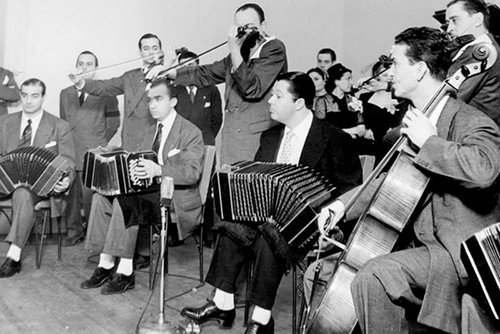
For dancers, knowing music means better understanding movement, pauses, musicality, and dance interpretation on the dance floor.
In this guide, you'll find:
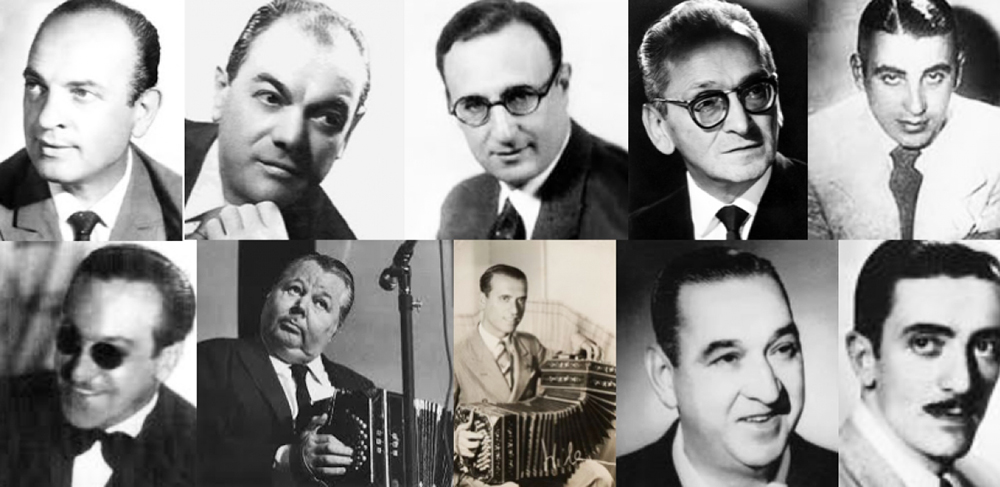 |
Argentine tango orchestras have defined the musical style of the different eras of tango. During the golden age of Argentine tango, some of the most important groups in the history of Rio de Janeiro music were born, still heard and danced to today in milongas around the world. |
Tango playlists help dancers and enthusiasts listen to the different orchestras,
recognize the rhythms, and practice their musicality.
Today, Argentine tango music can be easily listened to on
Spotify, YouTube, Apple Music, and other streaming platforms.
There are three main dance rhythms in Argentine tango: tango, vals, and milonga.
Although they belong to the same musical culture, they have very different characteristics in terms of rhythm, energy, and interpretation.
Tango has a more intense and dramatic character, with pauses, dynamic changes, and great expressive variety.
Argentine Vals, inspired by the European waltz, has a more circular and fluid movement, often perceived as romantic and elegant.
Milonga is the fastest and most playful rhythm: its lively character encourages dynamic and rhythmic dancing, with smaller, more musical steps.
Understanding the difference between tango, vals, and milonga helps dancers and enthusiasts better listen to the music and interpret the movements on the dance floor.
Listening to Argentine tango means learning to recognize the character of different orchestras and how the music influences the dance.
Live music, historic orchestras, and the best playlists become even more engaging when experienced during one of our Argentine tango holidays, where you can dance, participate in workshops, and share your passion with tango dancers from all over the world.
Some orchestras, like those of Juan D'Arienzo, emphasize the rhythm and energy of the dance floor.
Others, like Osvaldo Pugliese or Carlos Di Sarli, focus more on pauses, musical elegance, and emotional interpretation.
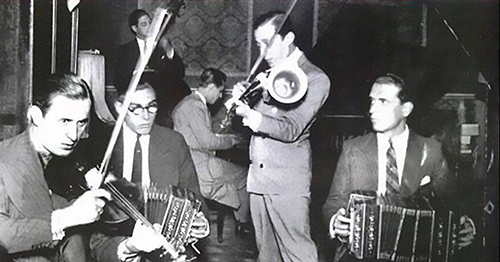
To develop musicality in tango it is useful to listen to:
|
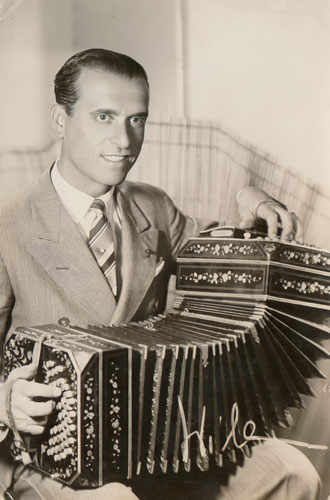 |
Argentine tango music is born from the combination of different instruments that together create the distinctive sound of traditional orchestras. The bandoneon is the iconic instrument of tango: its melancholic and expressive sound defines much of the genre's musical identity. With the evolution of Argentine tango, the piano, the double bass and especially the bandoneon became the absolute protagonists of the typical orchestras. 👉 Learn more |
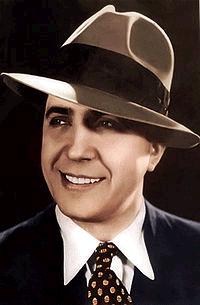 |
The great singers of Argentine tango helped transform tango into one of the most exciting musical expressions of the twentieth century. Voices such as Carlos Gardel, Alberto Castillo, Roberto Goyeneche, and Francisco Fiorentino brought personality and poetic depth to the orchestras of the golden age. Carlos Gardel transformed tango into a popular and sentimental musical form, contributing to the birth of tango song and spreading Argentine culture throughout the world. Some performers were renowned for their dramatic style, others for the elegance or rhythmic power of their interpretations. 👉 Discover also
|
Musicality in Argentine tango is the ability to interpret music through movement.
It doesn't just mean following the beat, but also listening to the pauses, the dynamics of the orchestra, the musical accents, and the mood of the piece.
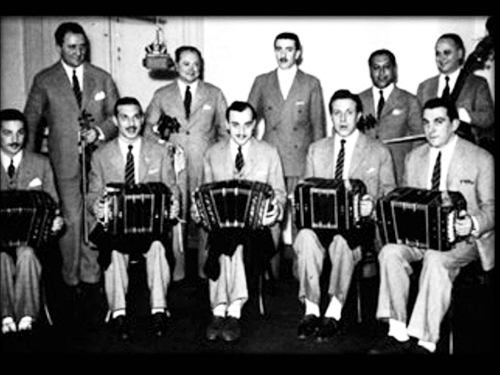
Each orchestra offers a different musicality: some favor a fast rhythm, others melodic elegance or emotional intensity. Developing musicality helps the dancer improvise better, create connection within the couple, and make the dance more personal and expressive.
The origins of tango music date back to the end of the nineteenth century between Buenos Aires and Montevideo, where European, African and Latin American popular cultures met, giving life to a new musical language.
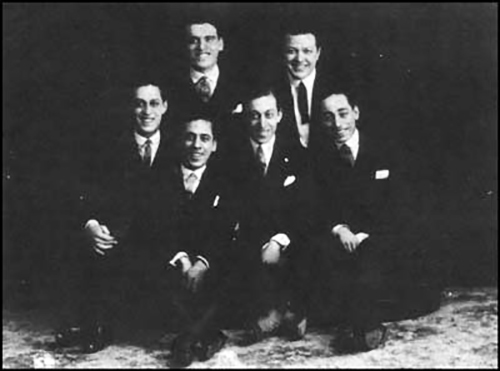
The first known performers were the Payadores, itinerant musicians accompanied by the guitar who improvised popular verses and melodies.
Among the musical influences that contributed to the birth of tango we find:
One of the first tangos to achieve international fame was El Choclo by Ángel Villoldo, while La Cumparsita, arranged by Roberto Firpo, became one of the most famous pieces in the history of Argentine tango.
Over time, tango progressively transformed from a popular music of the suburbs into an international cultural phenomenon.
The first performers of the so-called Guardia Nueva were Osvaldo Fresedo and Julio De Caro, musicians who profoundly innovated tango while keeping the link with tradition alive.
Thanks to new orchestral arrangements, the piano took on an increasingly important role, while orchestras began to develop personal and recognizable musical styles.
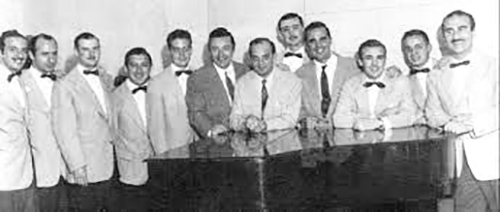
In the 1930s and 1940s tango reached its Golden Age: the great orchestras of Juan D'Arienzo, Carlos Di Sarli, Aníbal Troilo, Miguel Caló and Osvaldo Pugliese conquered the milongas of Buenos Aires and spread tango throughout the world.
It was the period in which Argentine tango became one of the most important dance music of the twentieth century.
After the crisis of the great orchestras of the 1950s, Astor Piazzolla introduced a new musical vision of tango.
Influenced by classical music and jazz, Piazzolla developed the so-called Nuevo Tango, a more complex style oriented towards listening than towards traditional dance.
While arousing controversy among traditionalists, his work contributed to greatly expanding the artistic possibilities of contemporary Argentine tango.
In recent decades, Argentine tango has experienced a new evolution thanks to young musicians, contemporary orchestras and new arrangements.
Trainings such as:
|
continue to develop the musical language of tango while keeping alive the link with the tradition of the great orchestras of the golden age.
Since the 2000s, tango has met electronic music, giving life to Electrotango or electronic tango.
Groups such as Gotan Project, Bajofondo, Tanghetto, Narcotango and Otros Aires have created a musical style that combines traditional sounds, electronic instruments and contemporary rhythms.
This genre has helped introduce Argentine tango to new generations of listeners around the world.
Among the contemporary artists dedicated to Argentine tango, Fernando Serrano develops a path that combines singing, dance and the diffusion of tango culture.
Through albums, concerts and musical productions, his work offers a modern reinterpretation of the classic tango repertoire, keeping alive the link with the Argentine tradition.
His recordings are available on Spotify, YouTube, Apple Music and the main international music platforms.
Argentine tango music continues to evolve between tradition and innovation today.
From the great orchestras of the golden age to contemporary and electronic tango, tango remains one of the most fascinating and recognizable dance musics in the world.
Knowing orchestras, singers, musical instruments and musicality helps dancers and enthusiasts to understand more deeply the language of Argentine tango and its extraordinary expressive richness.
👉 If you want to learn more about Argentine Tango:
Tango Music
Tango Playlists
Tango Steps and Figures
Why Buenos Aires
Historical Argentine Tango Singers
Tango Vacations
Milonga
Tango Travel
Tango Meetings
Meeting the orchestras, singers, and musicality is just the beginning. The best way to truly experience Argentine tango is to share this passion with other dancers during one of our tango vacations, including milongas, workshops, relaxation, and new friendships. Discover all the destinations and events organized by Tango Allegria.
Professional Argentine Tango singer, dancer, and producer with over 20 years of experience, organizer of Tango Allegria, and author of three albums dedicated to tango.
👉 Learn more about Fernando Serrano
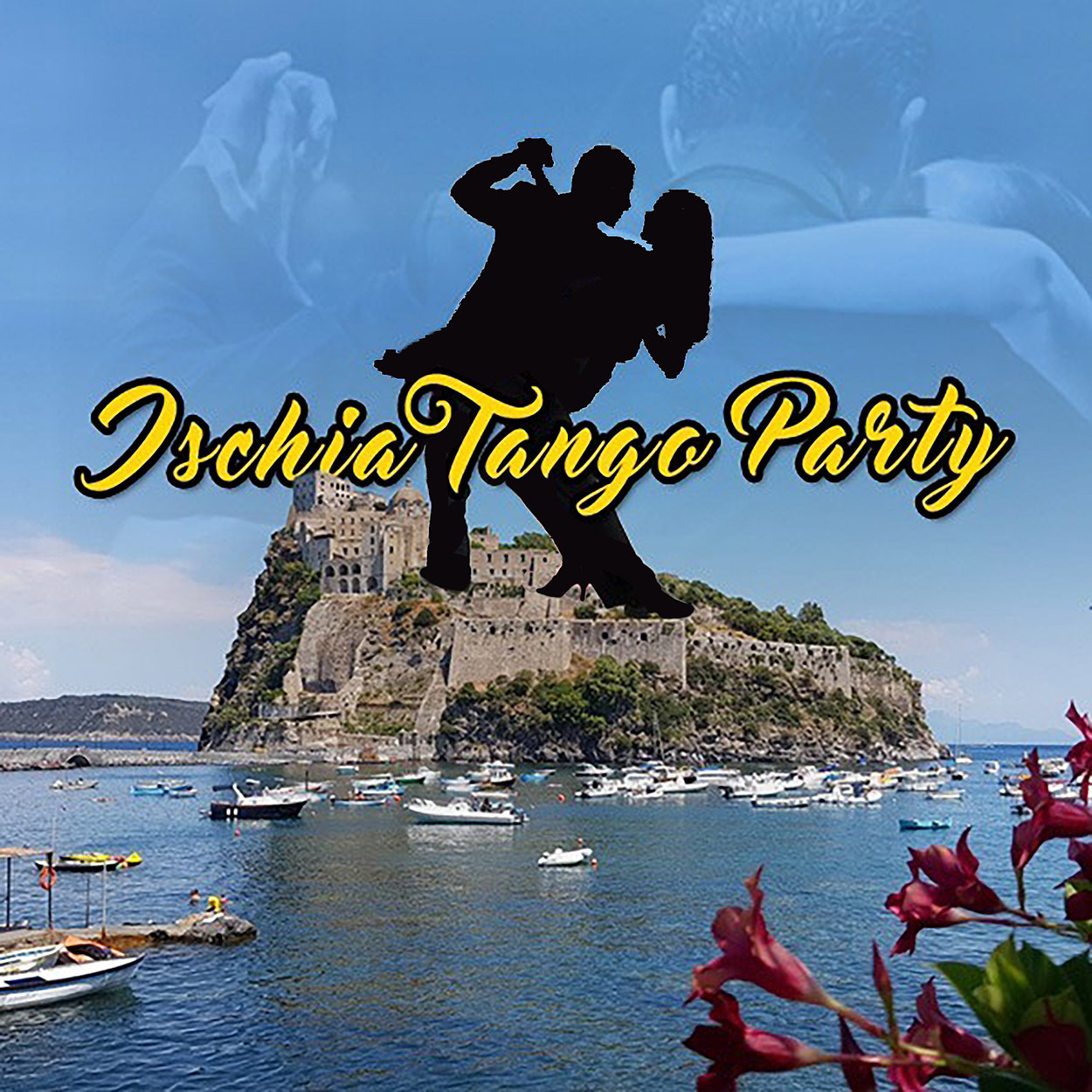 30th April-3th May 2027 ISCHIA TANGO PARTY TANGO AND SPA Tango weekend in Ischia: thermal pools, wellness center and nightly milongas. Packages and registration.  |  17th -31th July 2027
TARANTANGO TANGO IN SOUTHERN ITALY | |
 4th - 8th August 2027
ISCHIA TANGO MEETING TANGO IN ITALY |  1st- 7th September 2026
TANGO IN SALENTO- TANGO IN SEPTEMBER |
 |
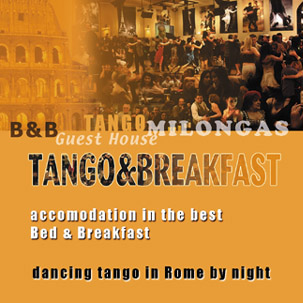
Dancing Tango in Rome |
Discover the Tango Allegria event closest to you.
|
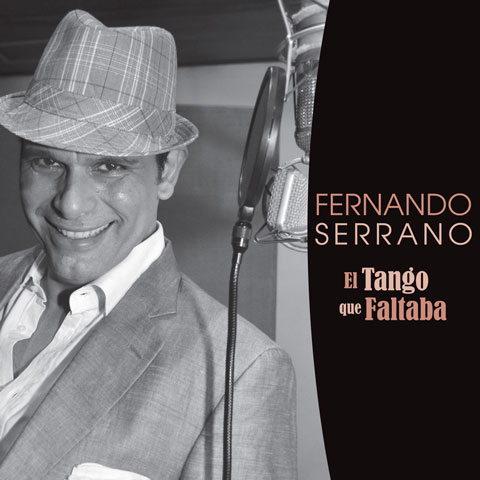 EL TANGO QUE FALTABA DANCE TANGO MUSIC
| 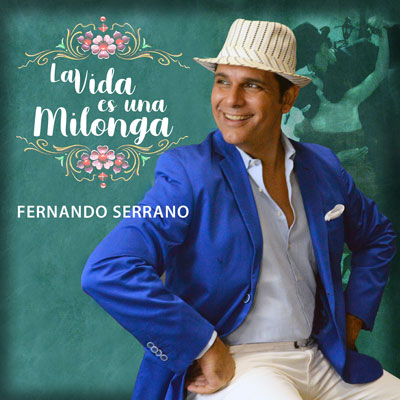 LA VIDA ES UNA MILONGA
THE NEW CD OF FERNANDO SERRANO | 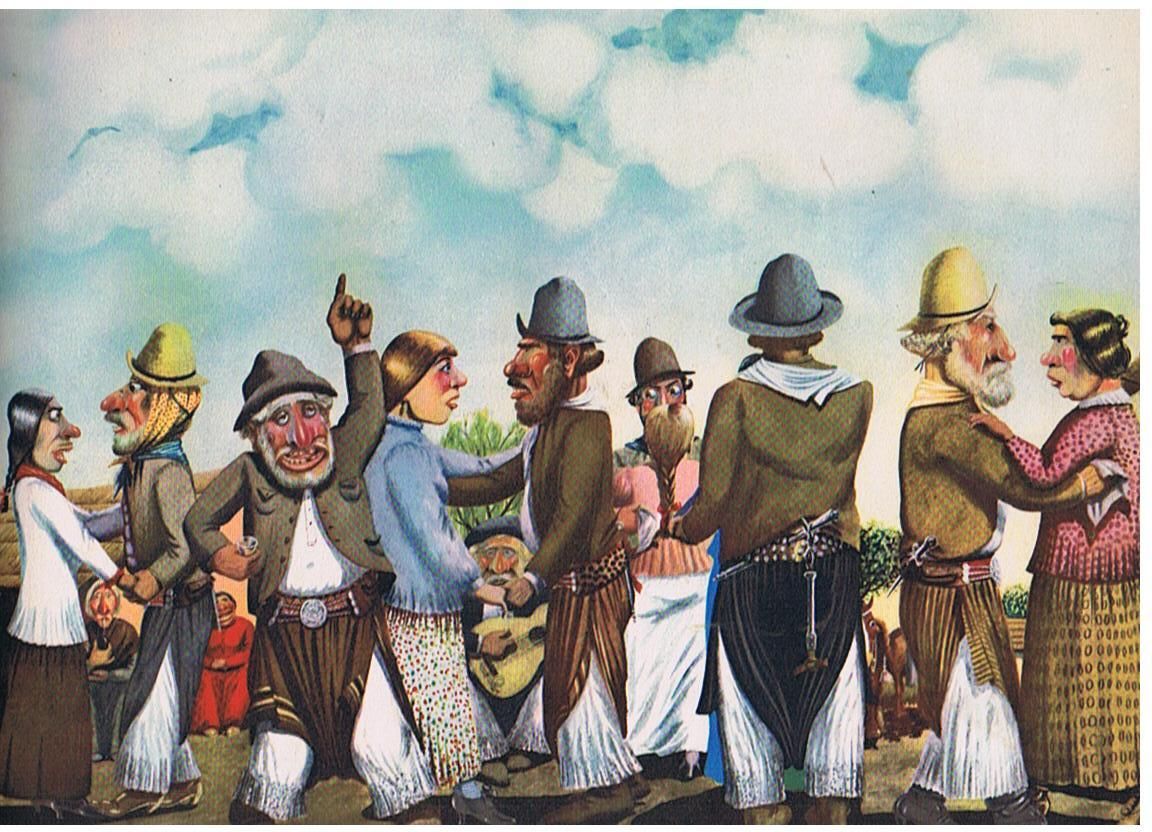 September 26, 2025
FIESTA ARGENTINA LIVE |
Our Community |
Join our group and make new friends around the world. |
 |
 Video |
 Corsi |
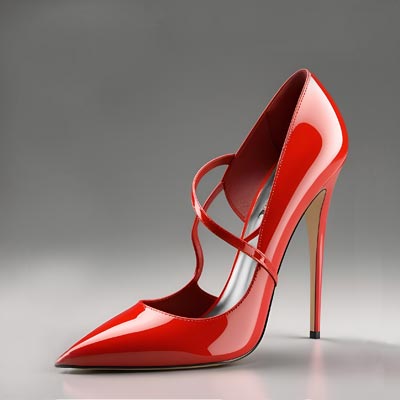 Scarpe da Tango |
Seguici su
|
 |
Tango and not only Tango |
Discover new passions organised by our Tango friends. |
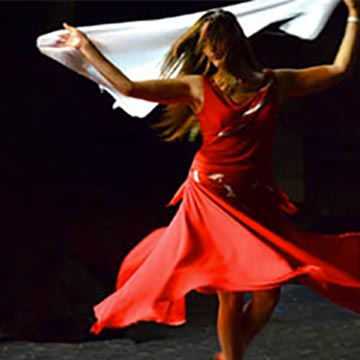 PIZZICA DANCE
Pizzica and the Salento tarantella have experienced many stories to tell over the course of history
|
Tango Allegria is the association that from the heart of Italy brings the passion for Argentine tango to the world, organizing unforgettable holidays, trips and events. If you love dancing, traveling, meeting new people and experiencing authentic emotions, you are in the right place.
Discover our tango holidays in exclusive locations: at the seaside, at the spa, in cities of art or in the middle of nature. Each experience combines tango, relaxation and fun. From tango holidays in Italy to our fun New Year's Eve Tango Meetings and the August Meeting in Ischia or Tango Trips to Buenos Aires or European art cities, you will always find the perfect atmosphere to dance, learn and feel good.
Throughout the year we organize Argentine tango events with internationally renowned Argentine masters, intensive seminars, evening milongas, thematic courses and guided practices. Each event is an opportunity to improve your dance and share your passion in a welcoming and engaging environment.
With Tango Allegria you don't just experience tango, but also the beauty of the journey, the pleasure of wellbeing and the joy of meeting.
Our events are designed for everyone: beginners, intermediates and expert dancers.
📅 Upcoming EventsISCHIA TANGO PARTYTARANTANGOISCHIA TANGO MEETINGTANGO IN SALENTO |
Do you want to stay updated on tango trips, special events, study weeks and exclusive offers?
Sign up for our newsletter and start living tango with us.
Since 2003 we have been bringing tango wherever there is a desire to get excited, learn and dance. We are waiting for you for a unique experience.
| TUTTE LE ATTIVITA' SONO RISERVATE AI SOCI | ||||||||||||||||||
|
||||||||||||||||||
|
 Italiano
 English