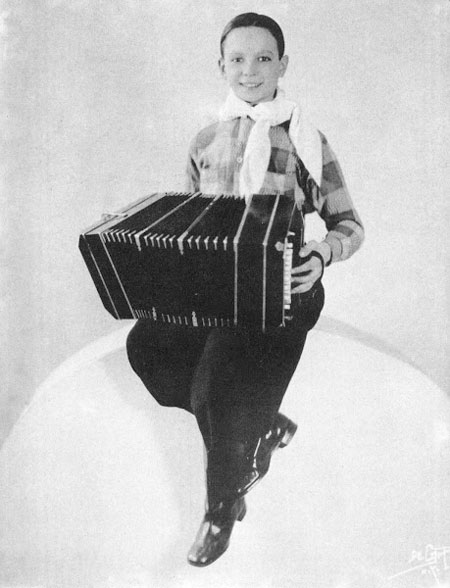
In Argentine tango, there is a before and after Astor Piazzolla. His music completely changed the way we understand tango.
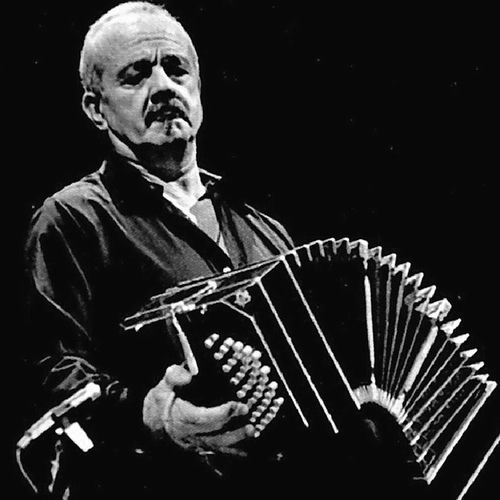
For some, it was an extraordinary revolution. For others, almost a provocation.
Piazzolla took traditional tango and adapted it to:
| jazz classical music experimentation concert listening |
The result was the famous Tango Nuevo: intense, sophisticated, and profoundly modern music.
Astor Piazzolla was born in Mar del Plata in 1921.
A bandoneonist, composer, and arranger, he studied both traditional tango and contemporary classical music.
As a young man, he also played in Aníbal Troilo's orchestra, a crucial experience in his development.
In the 1950s, he began developing a completely new language that broke many of the rules of traditional tango.
His compositions brought tango to theaters and concert halls around the world.
Piazzolla's Musical Style
Piazzolla's music is:
| intense complex modern dramatic deeply personal |
Unlike large traditional orchestras,
Piazzolla creates music full of:
sudden contrasts
sophisticated harmonies
rhythmic shifts
jazz influences
instrumental virtuosity
The bandoneon takes center stage and engages in constant dialogue with the other instruments.
His music often seems closer to chamber music or jazz than to traditional milonga tango.
Astor Piazzolla breaks many of the classic rhythmic structures of Argentine tango.
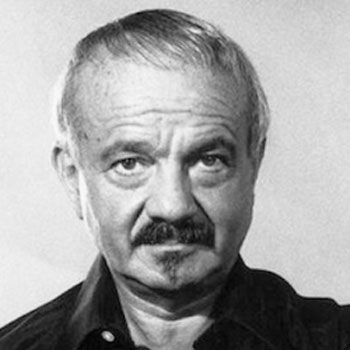
His music uses:
sudden pauses
syncopations
extreme dynamic shifts
irregular tempos
great interpretative freedom
Rhythm is no longer just for dancing
It becomes part of a much broader artistic construction.
For this reason, many of his compositions require careful listening, even from the most experienced dancers.
Piazzolla still divides the tango world today.
Many traditional tango dancers consider his music unsuitable for the social milonga because:
The rhythm is less regular
The musical structures are more complex
The dance requires greater interpretation
Others, however, love Piazzolla precisely for the expressive freedom he offers.
His music encourages:
interpretation
improvisation
work on emotions
use theatrical dynamics
It is widely used:
in stage tango
in shows
in artistic performances
in contemporary tango
|
|
Among Astor Piazzolla's most famous compositions are:
Libertango
|
Piazzolla belongs to a generation later than the great directors of tango's golden age.
His musical revolution developed mainly from the 1950s onward, at a time when traditional tango was losing popularity.
Despite having roots in the classical orchestras of:
Piazzolla developed a completely new and independent language.
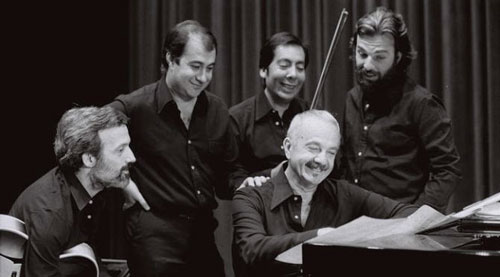
Juan D'Arienzo. Click to see D'ArienzoD'Arienzo focuses on pure rhythm and social dance. |
Carlos Di Sarli Click to see Di SarliDi Sarli is elegant and linear. Piazzolla is complex, modern, and unpredictable. |
Aníbal Troilo Click to see Troilo
Troilo maintains the emotional heart of traditional tango. |
Osvaldo Pugliese Click to see PugliesePugliese works on the orchestral drama within classical tango. |
Francisco Canaro Click to see CanaroPiazzolla revolutionizes tango with modern and complex harmonies.
|
Edgardo Donato Click to see DonatoDonato focuses on brilliant rhythm and danceable lightness. |
Miguel Caló Click to see CaloCaló maintains elegance and orchestral classicism. |
Ricardo Tanturi Click to see TanturiTanturi favors a simple tango that is functional for dance. |
Laurenz preserves the classical and dramatic character of tango.
Piazzolla, on the other hand, develops a more innovative and contemporary style.
Astor Piazzolla remains a central figure in Argentine tango history. Through his Tango Nuevo, he transcended time and musical genres, creating a unique and universal language. Loved or criticized, there is no doubt that he transformed tango forever.
Professional Argentine Tango singer, dancer, and producer with over 20 years of experience, organizer of Tango Allegria, and author of three albums dedicated to tango.
👉 Learn more about Fernando Serrano
 30th April-3th May 2027 ISCHIA TANGO PARTY TANGO AND SPA Tango weekend in Ischia: thermal pools, wellness center and nightly milongas. Packages and registration.  |  17th -31th July 2027
TARANTANGO TANGO IN SOUTHERN ITALY | |
 4th - 8th August 2027
ISCHIA TANGO MEETING TANGO IN ITALY |  1st- 7th September 2026
TANGO IN SALENTO- TANGO IN SEPTEMBER |
 |
Dancing Tango in Rome |
Discover the Tango Allegria event closest to you.
|
 EL TANGO QUE FALTABA DANCE TANGO MUSIC
|  LA VIDA ES UNA MILONGA
THE NEW CD OF FERNANDO SERRANO |  September 26, 2025
FIESTA ARGENTINA LIVE |
Our Community |
Join our group and make new friends around the world. |
 |
 Video |
 Corsi |
 Scarpe da Tango |
Seguici su
|
 |
Tango and not only Tango |
Discover new passions organised by our Tango friends. |
 PIZZICA DANCE
Pizzica and the Salento tarantella have experienced many stories to tell over the course of history
|
Tango Allegria is the association that from the heart of Italy brings the passion for Argentine tango to the world, organizing unforgettable holidays, trips and events. If you love dancing, traveling, meeting new people and experiencing authentic emotions, you are in the right place.
Discover our tango holidays in exclusive locations: at the seaside, at the spa, in cities of art or in the middle of nature. Each experience combines tango, relaxation and fun. From tango holidays in Italy to our fun New Year's Eve Tango Meetings and the August Meeting in Ischia or Tango Trips to Buenos Aires or European art cities, you will always find the perfect atmosphere to dance, learn and feel good.
Throughout the year we organize Argentine tango events with internationally renowned Argentine masters, intensive seminars, evening milongas, thematic courses and guided practices. Each event is an opportunity to improve your dance and share your passion in a welcoming and engaging environment.
With Tango Allegria you don't just experience tango, but also the beauty of the journey, the pleasure of wellbeing and the joy of meeting.
Our events are designed for everyone: beginners, intermediates and expert dancers.
📅 Upcoming EventsISCHIA TANGO PARTYTARANTANGOISCHIA TANGO MEETINGTANGO IN SALENTO |
Do you want to stay updated on tango trips, special events, study weeks and exclusive offers?
Sign up for our newsletter and start living tango with us.
Since 2003 we have been bringing tango wherever there is a desire to get excited, learn and dance. We are waiting for you for a unique experience.
| TUTTE LE ATTIVITA' SONO RISERVATE AI SOCI | ||||||||||||||||||
|
||||||||||||||||||
|
 Italiano
 English